Car Diagnostics & Fault Finding in Polokwane
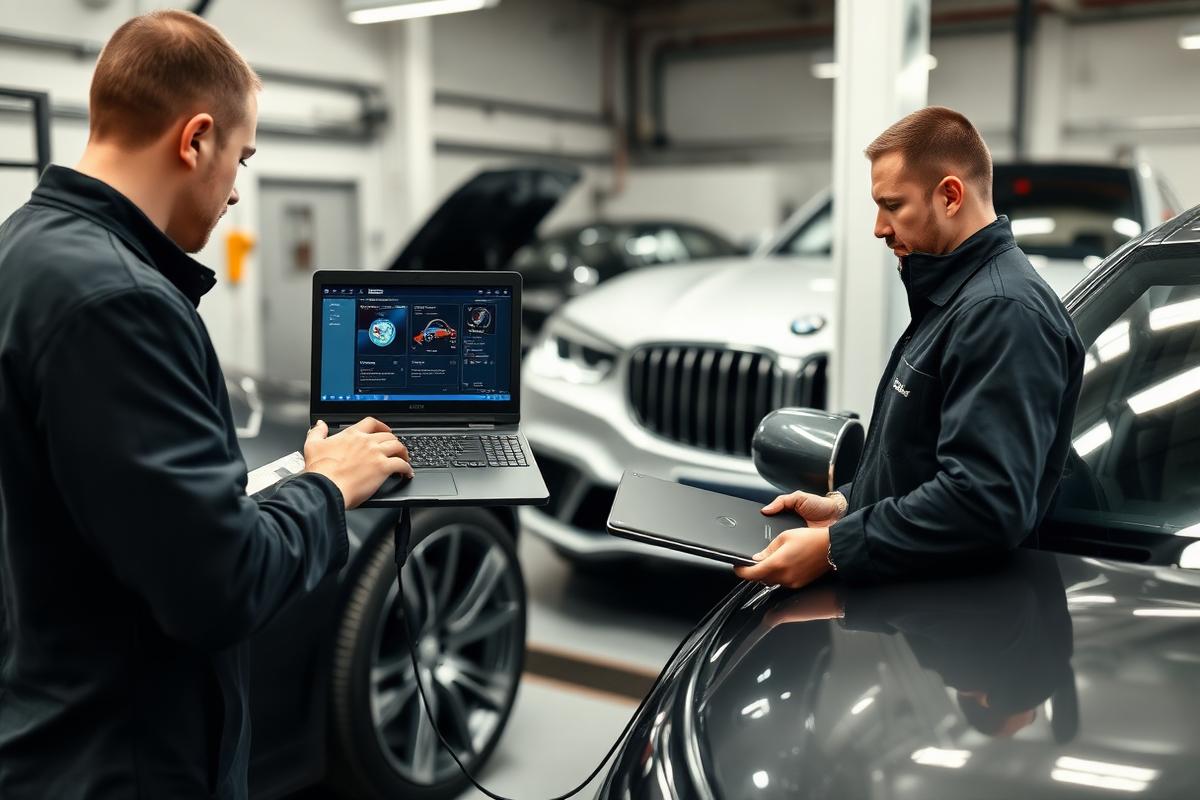
Car Diagnostics & Fault Finding at Our Polokwane Workshop
A warning light is a symptom, not a diagnosis. A fault code tells you which circuit reported a problem, not which part has failed. We scan every control module, then test the actual circuit, sensor or component before recommending a repair, which is the single biggest reason our customers stop replacing parts that were never faulty.
Symptoms We See
- Check engine, ABS, ESP, airbag, AIRMATIC or battery warning lights
- The car going into limp mode or losing power intermittently
- Rough idling, misfires, hesitation or poor fuel consumption
- Electrical faults that come and go with weather, vibration or temperature
- A vehicle that fails a roadworthy test on emissions or a warning light
- A fault another workshop has replaced parts for without solving
What the Work Involves
- Full-system fault code scanning across every control module
- Live data recording and actuator testing
- Engine management, fuelling and emissions diagnostics
- ABS, ESP, SRS airbag and body electronics fault finding
- Guided road-test diagnostics with the scan tool connected
- Written diagnostic report and clear repair recommendation
How We Diagnose It
We scan all modules, record the freeze-frame data stored with each code and note whether the fault is current or historic. Then we test: signal voltages at the sensor, resistance through the loom, actuator response commanded from the tool, and live values compared against the manufacturer's expected range. Intermittent faults are recorded on a road test so we capture the moment the fault occurs. You receive a written report explaining what was found, what we tested and what we recommend, along with a quote.
Mercedes-Benz Applications
Mercedes-Benz vehicles carry dozens of networked control units, and a single failing module can put unrelated warning lights on the dash. Generic code readers only see engine codes and miss the rest. We scan the full network, including SAM units, the transmission, AIRMATIC and body modules, so the real source of the fault is found instead of the symptom nearest the dashboard.
This work is also carried out on BMW, Audi, Volkswagen and Porsche vehicles. If your car is a Mercedes-Benz, the Mercedes-Benz Specialists page explains our model-specific capability in more detail.
Car Diagnostics for Polokwane and Limpopo Drivers
The workshop is at 23 Sixth Street, Industrial, Polokwane, 0700, Limpopo, South Africa, a short drive from Bendor, Flora Park, Seshego, Ladanna, Annadale and Central Polokwane. Customers also travel in from Tzaneen, Giyani, Thohoyandou, Makhado and Mokopane, and if you are coming a distance we will plan a booking slot that gives your car the time it needs on the day. See areas we serve.
Related Services
- Transmission Repairs in Polokwane
- Engine Repairs in Polokwane
- Auto Electrical in Polokwane
- All auto repair services in Polokwane
Related Reading
- Mercedes-Benz Service A vs Service B Explained
- Common Mercedes-Benz Warning Lights and What They Really Mean
- Choosing the Right Engine Oil for Your German Car
- Common Mercedes-Benz AIRMATIC Problems and Warning Signs
- Mercedes-Benz Gearbox Problems: Symptoms and Causes
- Independent Mercedes-Benz Specialist vs Dealership: What Polokwane Drivers Should Know
- When Should Mercedes-Benz Brake Pads Be Replaced?
- German Car Maintenance in Limpopo: What Owners Should Know
- How to Choose a Mercedes-Benz Specialist in Polokwane
Request a Service
Car Diagnostics — Frequently Asked Questions
A full-system scan and initial assessment takes around 45 minutes. Tracing an intermittent electrical fault can take considerably longer, and we always agree the additional time with you first.
Yes, diagnostic time is charged because it is skilled work with expensive equipment. It is disclosed up front, and you receive a written report you can act on.
We can clear codes, but if the underlying fault is still present the light returns, and in some cases the car remains unsafe or will fail a roadworthy. We would rather explain the fix.
Yes. Historic fault codes and freeze-frame data remain stored in the module even after the light goes out, which often tells us exactly what happened.